
Our Editorial Methodology
We believe transparency builds trust. This page outlines exactly how our team researches, verifies, and publishes content about foods that reduce eye strain. Every article follows a rigorous editorial process designed to ensure accuracy, clarity, and real-world value for our readers.
The information on this site is for educational purposes only and does not constitute medical advice. Always consult a qualified healthcare professional before making health decisions.
Our Six-Step Editorial Process
Topic Selection & Scoping
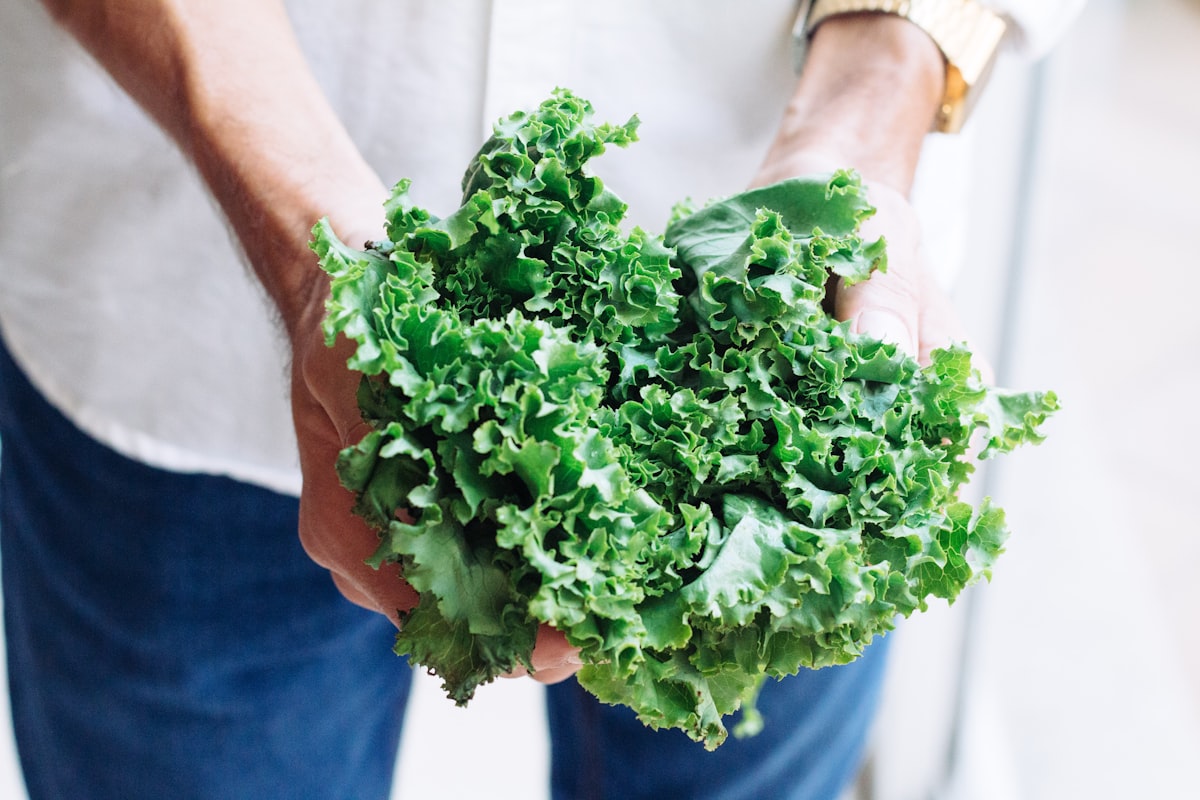
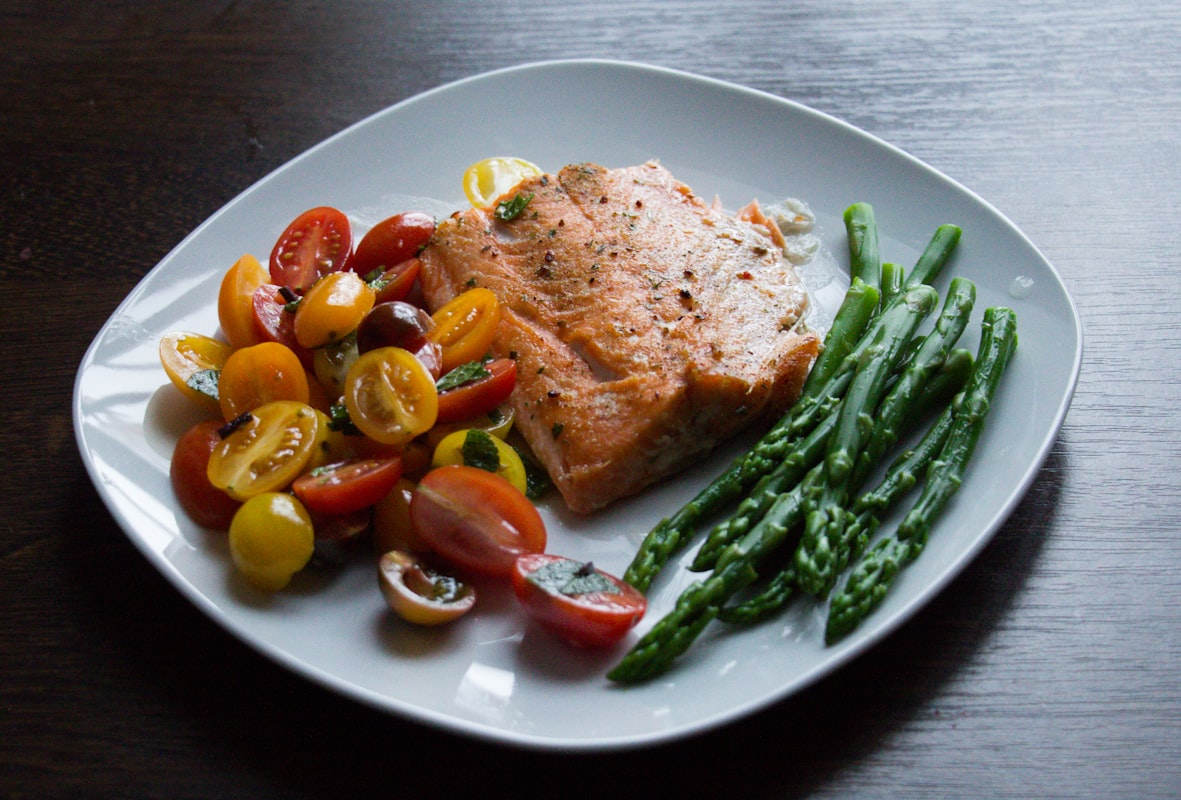
Every article begins with careful topic selection. Our editorial team identifies subjects that matter to our community: practical nutrition information, evidence-backed food choices, and lifestyle factors affecting eye health. We focus on foods with documented properties relevant to eye comfort and vision support—including leafy greens, colorful vegetables, omega-3 sources, and antioxidant-rich options.
Before writing begins, we outline the scope: what will we cover, who is our audience, and what questions should the article answer? This planning phase prevents unfocused content and ensures each piece serves a clear purpose.
Research & Source Verification
Our writers consult academic journals, peer-reviewed nutrition research, and authoritative health resources. We prioritize sources from reputable institutions and scientific databases, avoiding speculation or unsupported claims. For every key fact, we ask: where does this information come from, and is it backed by evidence?
We also review expert perspectives from nutritionists, ophthalmologists, and wellness specialists to ensure our information reflects current professional understanding. All sources are documented internally and cross-checked for consistency and credibility.
Content Development & Writing
With research compiled, our writers craft content that is both accurate and accessible. We aim for clarity—explaining scientific concepts in plain language without oversimplifying. Every claim is tied to its source, and we avoid hype or exaggeration about what foods can or cannot do.
We structure articles for readability: clear headlines, short paragraphs, bullet points where appropriate, and real examples that readers can relate to. The tone is friendly and informative, never preachy or alarmist.
Fact-Checking & Editorial Review
Every article undergoes independent fact-checking. A second editor verifies that claims are supported by the sources cited and that no misinformation has crept in. We check dates, percentages, food names, and nutritional information for accuracy. Any statement that can't be verified is removed or reworded.
Our editors also assess tone and clarity. Is the article aligned with our community values? Does it avoid harmful language or dangerous advice? Would someone with no background in nutrition understand it? This review ensures consistency and safety across all content.
Design & Formatting
Once content is finalized, our design team formats it for web readability. This includes breaking text into scannable sections, adding relevant images (all sourced ethically and with proper attribution), and ensuring mobile compatibility. We use headings, subheadings, and white space to guide readers through the content.
Accessibility is important to us—we ensure images have descriptive alt text, colors have sufficient contrast, and the layout works for all readers, including those using assistive technology.
Publication & Ongoing Updates
Content is published with a publication date and author name so readers know who wrote it and when. We maintain a transparent editorial calendar and publish articles consistently to build reader trust. But publication isn't the end—we monitor articles for reader feedback and keep an eye on new research that might affect their accuracy.
If new evidence emerges that contradicts or updates what we've published, we revise articles and note the update clearly. This commitment to accuracy over ego ensures our content remains current and trustworthy.
Quality Assurance Criteria
Accuracy Standards
- ✓ Every factual claim has a documented source (academic journal, institution, expert reference)
- ✓ No unsupported health statements or exaggerated benefit claims
- ✓ Nutritional data and food properties cross-checked against reliable databases
- ✓ All numbers, dates, and statistics independently verified
- ✓ Contradictions with other sources identified and explained
Writing Standards
- ✓ Clear, conversational tone—accessible to general readers without science background
- ✓ Short paragraphs, clear headings, and scannable formatting for web reading
- ✓ No jargon without explanation; scientific terms defined in plain language
- ✓ Balanced perspective—acknowledging both benefits and limitations
- ✓ Practical examples and real-world application readers can use immediately
Ethical Standards
- ✓ No conflicts of interest—we don't promote products we have financial stakes in
- ✓ Transparent about limitations—foods are complementary, not replacements for medical care
- ✓ Images sourced ethically with proper licensing and attribution
- ✓ Author credentials and expertise disclosed; no false expertise claimed
- ✓ Privacy respected—no personal reader data shared without consent
Technical Standards
- ✓ Mobile-responsive design works on phones, tablets, and desktop browsers
- ✓ Accessible to users with assistive technology—alt text on all images, proper heading hierarchy
- ✓ Fast loading times—optimized images and clean code
- ✓ Proper metadata and structured data for search engines
- ✓ Internal links to related articles for deeper reader exploration
Editorial Resources & Sources We Use
Academic & Scientific
- PubMed Central: Peer-reviewed medical and nutrition research papers
- Google Scholar: Cross-discipline academic article indexing
- Journal of Nutrition & Metabolism: Published nutrition science
- American Journal of Clinical Nutrition: Evidence-based dietary research
- Vision Research: Peer-reviewed ophthalmology and vision studies
Health Institutions
- World Health Organization (WHO): Global health guidelines and data
- National Institutes of Health (NIH): Authoritative health information
- American Academy of Ophthalmology: Vision and eye health expertise
- Academy of Nutrition and Dietetics: Professional nutrition standards
- National Eye Institute: Vision research and public health data