
Foods That Reduce Eye Strain
Discover how the right nutrition can support your eye health and reduce digital fatigue. Our editorial team explores the science behind eye-supporting foods and how to incorporate them into your daily routine.
The information on this site is for educational purposes only and does not constitute medical advice. Always consult a qualified healthcare professional before making health decisions.
Why Nutrition Matters for Your Vision
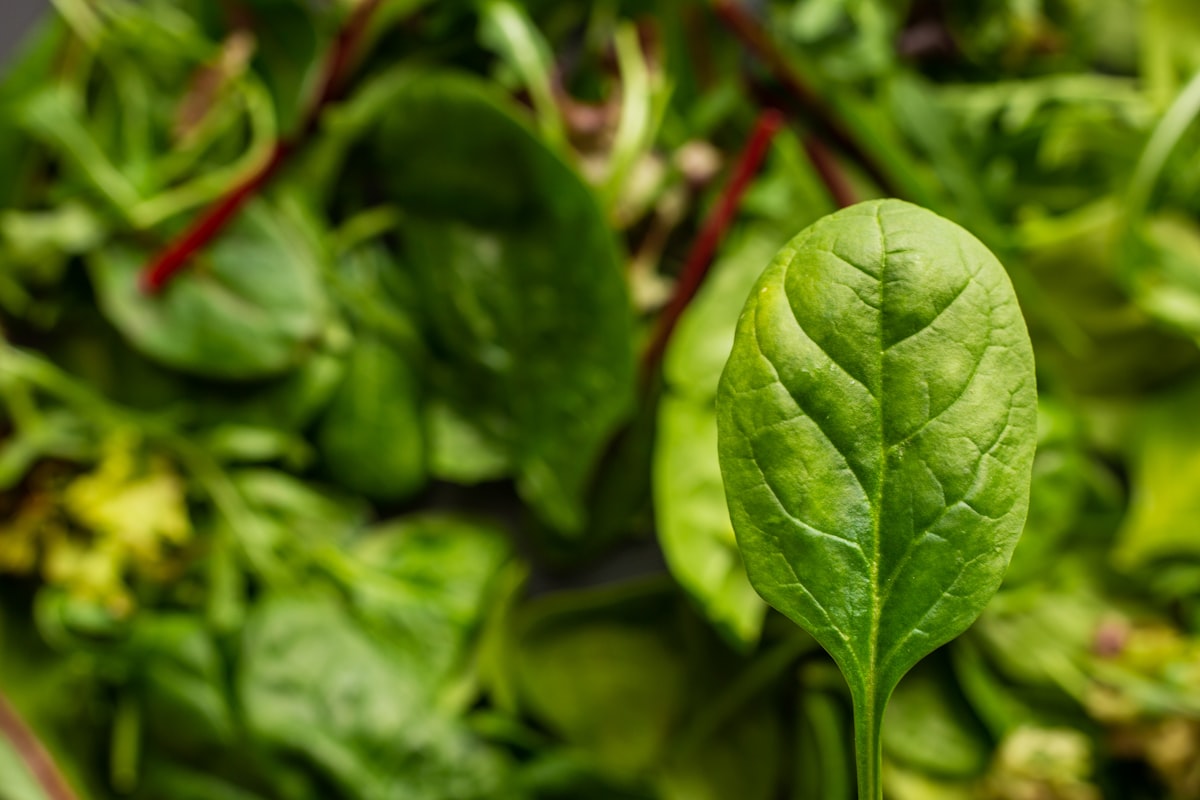
Your eyes are constantly working, especially in today's digital world. Screen time, bright light exposure, and daily stress can lead to eye strain—a condition characterized by discomfort and fatigue. While rest is important, what you eat plays an equally vital role in supporting healthy vision.
The retina and lens of your eye contain specialized cells that require specific nutrients to function optimally. Antioxidants, vitamins, and minerals help protect these cells from oxidative stress and support the production of protective compounds.
By understanding which foods contain these essential nutrients, you can make informed dietary choices that support your eye health naturally. This guide explores evidence-based insights into nutrition and vision care.
Key Nutrients for Eye Health
Lutein & Zeaxanthin
Powerful antioxidants that accumulate in the macula, protecting against blue light and oxidative stress. Found in leafy greens and colorful vegetables.
Omega-3 Fatty Acids
Essential for retinal function and tear production. Support the health of blood vessels serving the eye and reduce inflammation naturally.
Vitamin A & Beta-Carotene
Critical for night vision and cell growth. Beta-carotene converts to vitamin A in the body, supporting overall retinal health and light sensitivity.
Antioxidants & Minerals
Zinc, vitamin C, and vitamin E combat free radicals that damage eye cells. These work together to maintain lens clarity and reduce oxidative fatigue.
Featured Eye-Healthy Foods
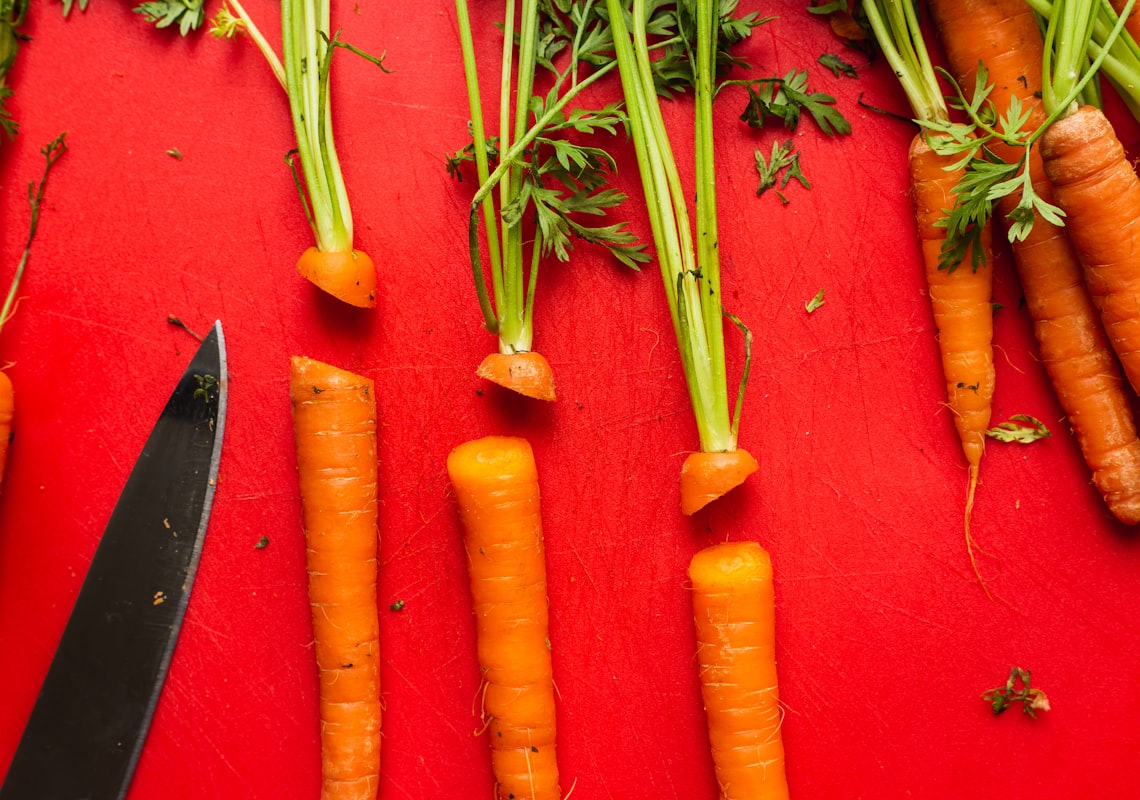
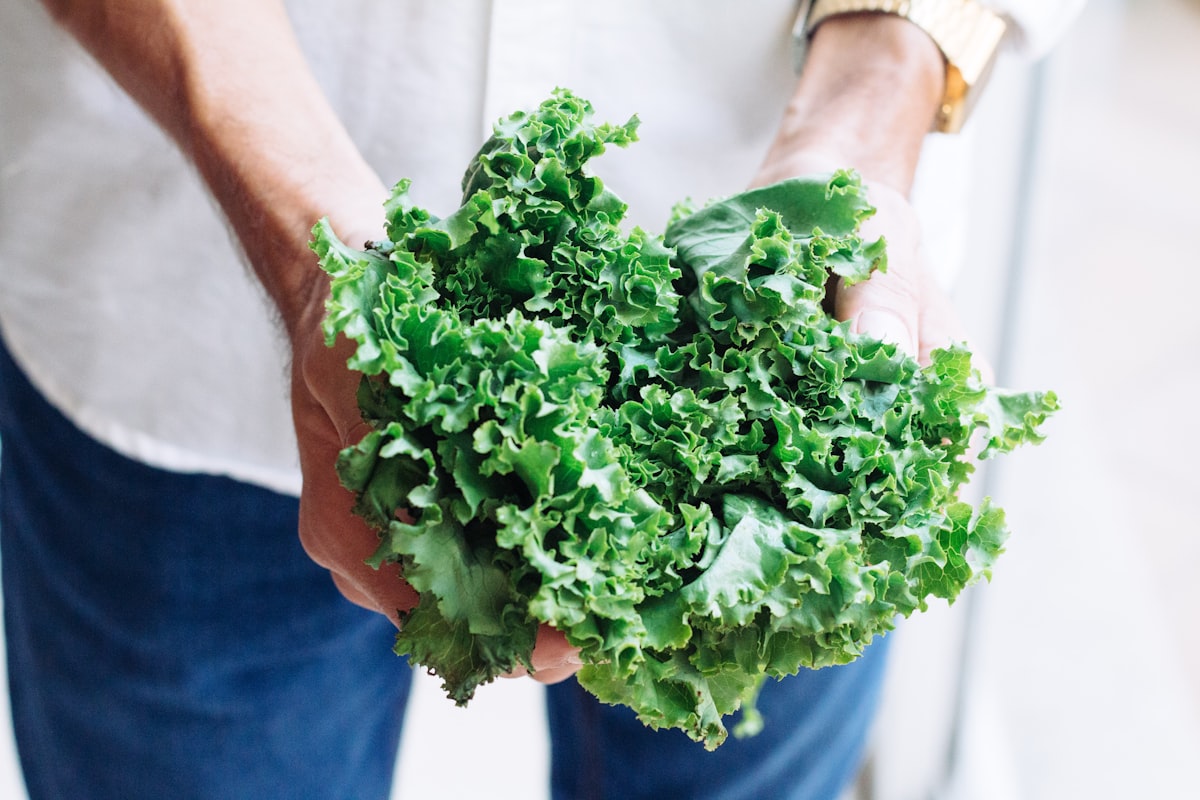
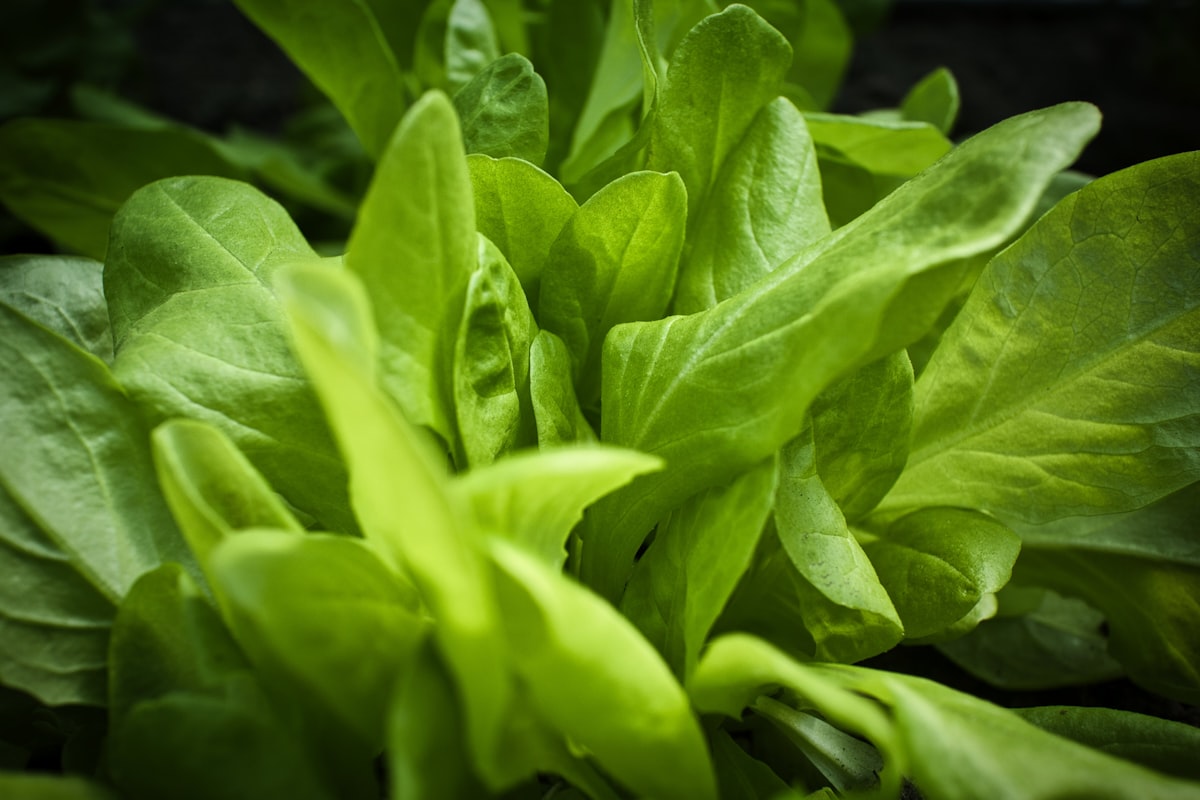
Dark Leafy Greens
Spinach, kale, and collards contain high concentrations of lutein and zeaxanthin—pigments that filter harmful light and protect the macula from age-related changes.
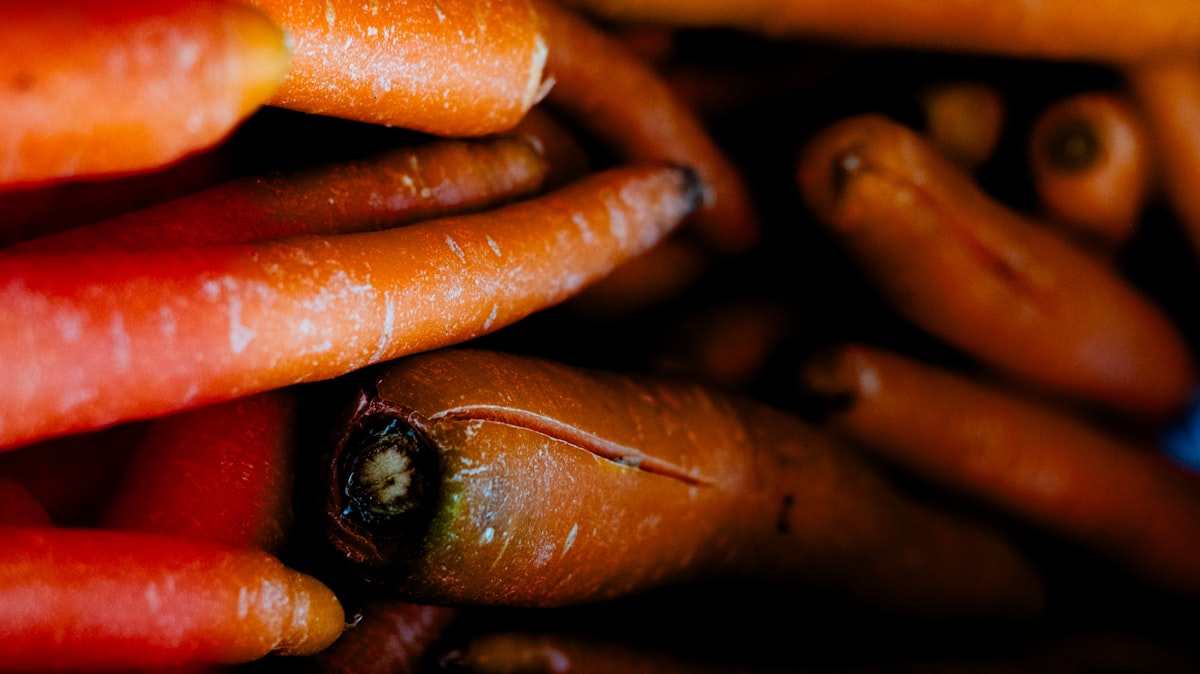
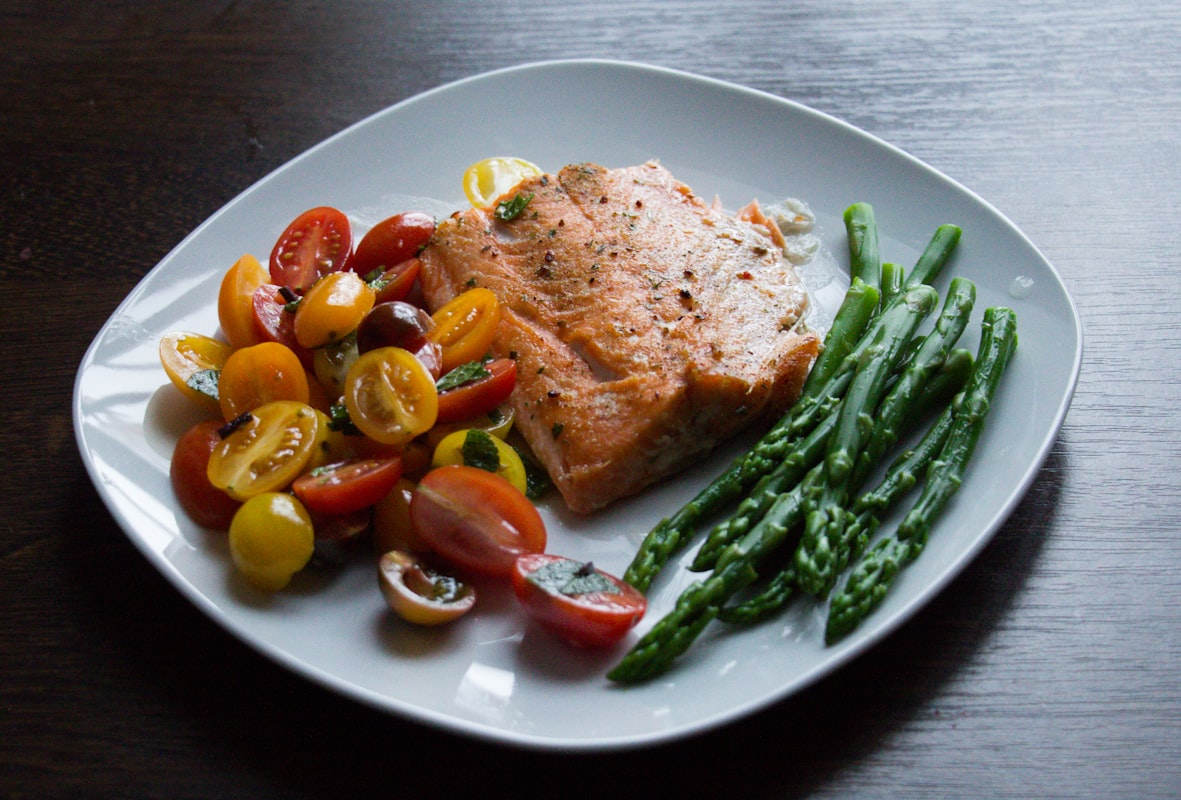
Fatty Fish
Salmon, mackerel, and sardines are rich in omega-3 fatty acids (DHA and EPA) that support retinal structure and reduce inflammation associated with eye strain.
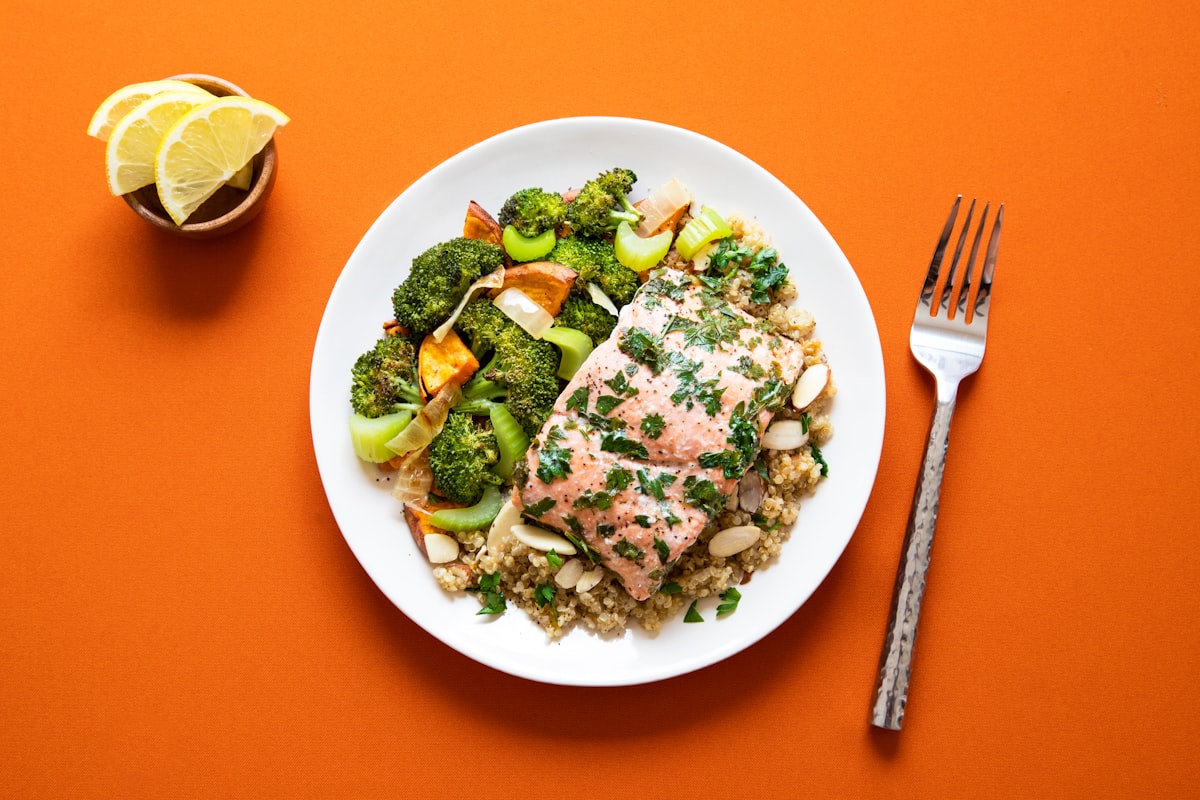
Berries
Blueberries, blackberries, and strawberries contain anthocyanins and vitamin C that protect eye cells from oxidative stress and support blood vessel health.
Nuts & Seeds
Almonds, sunflower seeds, and walnuts provide vitamin E, zinc, and omega-3s that work together to reduce cellular damage and support clear vision.
Orange & Red Vegetables
Carrots, sweet potatoes, and red peppers are packed with beta-carotene and vitamin C, supporting night vision and reducing eye fatigue from screen time.
Eggs
Egg yolks contain lutein, zeaxanthin, and choline—a combination that supports retinal health, focus, and helps reduce the discomfort of prolonged screen exposure.
Top 9 Foods for Eye Strain Relief
Spinach
One cup of raw spinach contains over 20mg of lutein. Regular consumption supports macular density and may reduce eye strain symptoms from digital screens.
Best way: Fresh in salads or lightly steamed to preserve nutrients.
Salmon
Provides DHA (docosahexaenoic acid), an omega-3 that comprises 30% of retinal tissue. Supports tear film stability and reduces dry eye sensations.
Best way: Baked or grilled, 2-3 servings per week for optimal benefit.
Blueberries
Rich in anthocyanins and quercetin, these antioxidants cross the blood-retinal barrier to protect against free radical damage and blue light exposure.
Best way: Fresh or frozen, added to cereals, smoothies, or yogurt.
Sweet Potatoes
One medium sweet potato contains over 10,000 IU of vitamin A from beta-carotene. Essential for night vision and reducing eye strain fatigue.
Best way: Roasted or baked to retain maximum nutrient content.
Almonds
Almonds contain vitamin E, zinc, and selenium—a trio of antioxidants that protect lens proteins from oxidative changes related to prolonged focus.
Best way: A small handful (23 almonds) as a snack or sprinkled on meals.
Red Bell Peppers
High in vitamin C and lutein, red peppers support collagen formation in the cornea and provide antioxidant protection against screen-induced stress.
Best way: Fresh in salads or lightly stir-fried to preserve vitamin C content.
Eggs
Egg yolks are one of the richest sources of lutein and zeaxanthin. Also contain choline, which supports neural pathways involved in eye-brain communication.
Best way: Boiled, poached, or soft-cooked to maximize nutrient absorption.
Walnuts
Excellent source of omega-3 ALA, which converts to EPA and DHA in the body. Support retinal blood flow and reduce inflammation-related eye fatigue.
Best way: Raw or as walnut oil in dressings, about 1 ounce per day.
Kale
Contains more lutein per ounce than any other food—up to 26mg per cup. Superior bioavailability makes it one of the most effective eye-health choices.
Best way: Lightly sautéed or in smoothies to maximize lutein absorption.
How to Incorporate These Foods Into Your Diet
Start Small with One Habit
Begin by adding one eye-healthy food to each meal. For example, add a handful of spinach to breakfast, include salmon in lunch twice weekly, and snack on almonds. This prevents overwhelming dietary changes and allows your palate to adjust naturally.
Create Nutrient-Rich Combinations
Pair foods to maximize nutrient absorption. Combine leafy greens with healthy fats (olive oil, nuts) to improve lutein absorption. Mix eggs with vegetables, or add berries to yogurt with walnuts. These combinations create synergistic effects that enhance eye support.
Plan Weekly Menus
Dedicate time to plan meals that include at least one eye-healthy food per meal. Prepare shopping lists organized by food category. Having these foods readily available makes it easier to make nutritious choices throughout the week and reduces reliance on processed alternatives.
Consider Cooking Methods
Cooking methods significantly impact nutrient retention. Light steaming, sautéing, and baking preserve more nutrients than prolonged boiling. Raw consumption of vegetables maximizes vitamin C content. For omega-3 fish, gentle baking preserves delicate fatty acids better than high-heat frying.
Track Your Intake & Wellness
Keep a simple food diary noting which eye-healthy foods you consume and how your eyes feel. Over several weeks, you may notice patterns—reduced dryness, improved focus, or less discomfort during screen time. This personal feedback helps you understand which foods work best for your individual needs.
Common Questions About Eye Strain and Nutrition
What Our Users Say
Join thousands of satisfied customers experiencing clearer vision and better eye health.
"After using Pamerian for three months, my eye strain from long work hours has noticeably decreased. I can finally end my day without that burning sensation. Highly recommend!"
Sarah M.
Marketing Professional
"I was skeptical at first, but Pamerian has genuinely improved my night vision. Driving at night feels safer, and I trust the product because it's backed by real science."
James T.
Truck Driver
"My optometrist noticed an improvement in my eye health during my last checkup. I feel confident that Pamerian is helping me protect my vision for the future."
Emily R.
Teacher